January 5, 2026
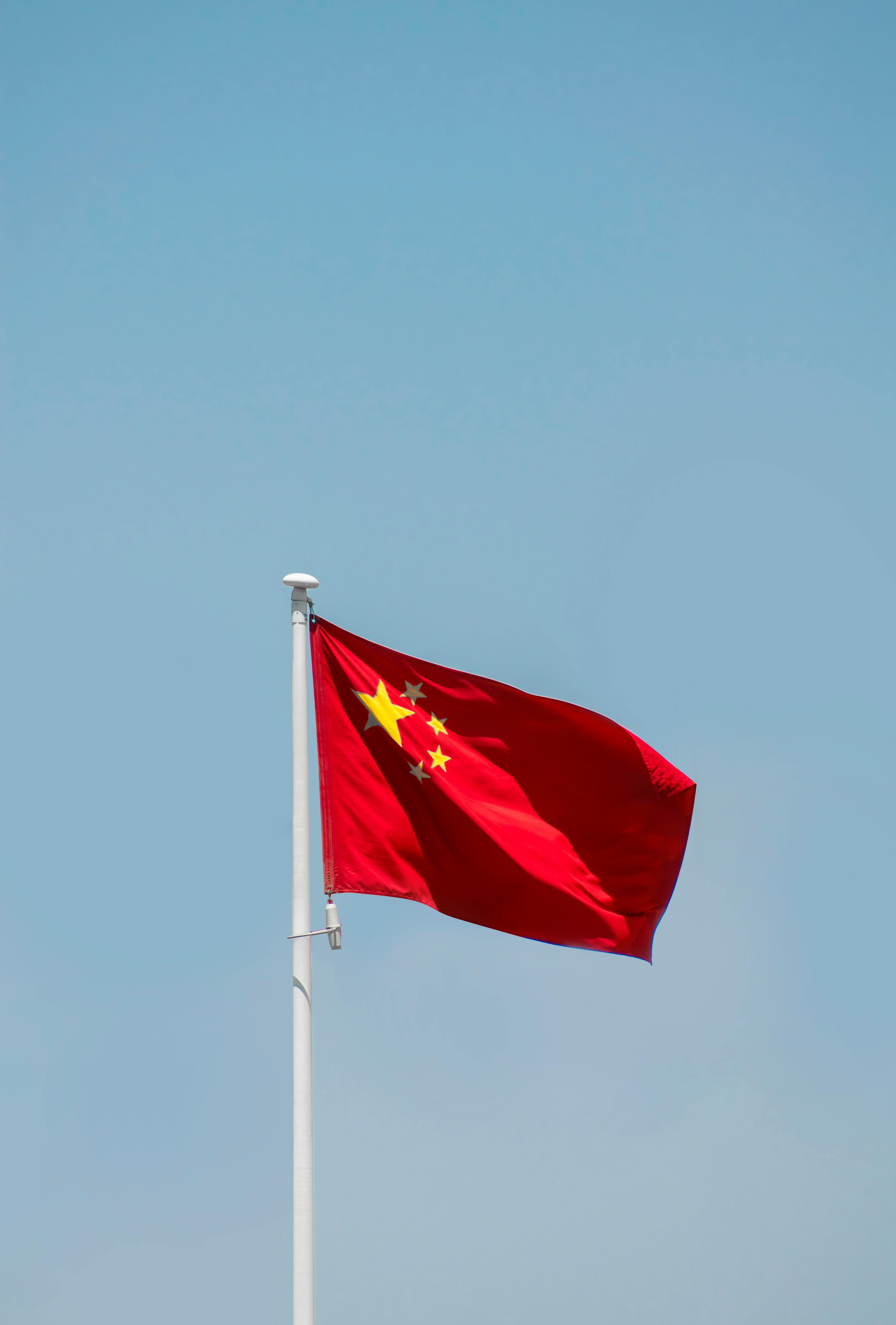
China has formally released its first national corporate climate reporting standard, marking a pivotal step toward a unified sustainability disclosure framework for Chinese companies. While the standard is currently issued on a trial and voluntary basis, its structure and alignment strongly signal where regulatory expectations are heading — both domestically and for multinational companies with China exposure.
The move reflects China’s broader effort to improve the quality, consistency, and comparability of climate-related disclosures across its capital markets, while also aligning more closely with global investor expectations.
What Was Released
China’s new climate standard, formally titled Corporate Sustainability Disclosure Standard No. 1 – Climate (Trial), was jointly issued by the Ministry of Finance of the People’s Republic of China along with multiple other national regulators. This multi-agency approach underscores that the standard is intended to apply broadly across China’s corporate and financial system, not just listed companies.
Importantly, this is the first thematic standard released under China’s emerging national sustainability disclosure system, following the earlier publication of a high-level “Basic Standard.”
How the Standard Is Structured
The climate standard is deliberately modeled on the architecture used in leading global frameworks, most notably International Sustainability Standards Board (ISSB) Standard IFRS S2, which governs climate-related disclosures internationally.
Companies are expected to disclose climate information across five core pillars:
Governance – oversight and management of climate-related risks and opportunities
Strategy – impacts of climate risks and opportunities on business models and strategy
Risk Management – processes for identifying, assessing, and managing climate risks
Metrics & Targets – greenhouse gas (GHG) emissions, targets, and progress tracking
Climate Impacts – physical and transition risks, including financial effects
This structure mirrors the Task Force on Climate-related Financial Disclosures (TCFD) model and reinforces China’s intent to avoid creating a standalone or incompatible reporting regime.
Voluntary Today, Directional for Tomorrow
Although the standard is explicitly labeled as a “trial” and is not yet mandatory, regulators have been clear that it forms part of a longer-term roadmap. China aims to establish a comprehensive, nationwide sustainability disclosure system by 2030, with interim milestones expected in the 2026–2027 timeframe.
In practical terms, this suggests:
Early adoption will likely be encouraged for large companies, state-owned enterprises, and financial institutions
Climate disclosures are expected to become more formalized and enforceable over time
Companies that delay alignment may face steeper compliance lifts later
Why This Matters for Global Companies
For multinational companies operating in China — or with Chinese subsidiaries, suppliers, or capital market exposure — this development is significant. The standard reinforces a global convergence around ISSB-aligned climate reporting, reducing fragmentation across jurisdictions such as the EU (CSRD), California (SB 253 / SB 261), and now China.
From a strategic standpoint, companies already reporting under ISSB, TCFD, or IFRS S2-aligned frameworks will be best positioned to respond as China’s requirements evolve from voluntary to mandatory.
Bottom Line for Executives
China’s new climate reporting standard is less about immediate compliance and more about directional certainty. It clearly signals that climate-related financial disclosure will become a core expectation of doing business in China — aligned with global norms, embedded across regulators, and increasingly linked to capital markets.

IFRS S1: What you need to know
As sustainability considerations reshape business risks, investment flows, and regulatory expectations, organizations are under increasing pressure to disclose how environmental, social, and governance (ESG) factors affect their long-term financial health.
10 Mar, 2025

IFRS S2: What you need to know
As the climate crisis reshapes the global business landscape, investors, regulators, and stakeholders are demanding more rigorous, transparent, and forward-looking climate disclosures.
17 Mar, 2025

ISSB: What you need to know
The International Sustainability Standards Board (ISSB) is shaping the future of sustainability-related financial disclosures by establishing a consistent global framework for ESG reporting.
24 March, 2025