September 25, 2026
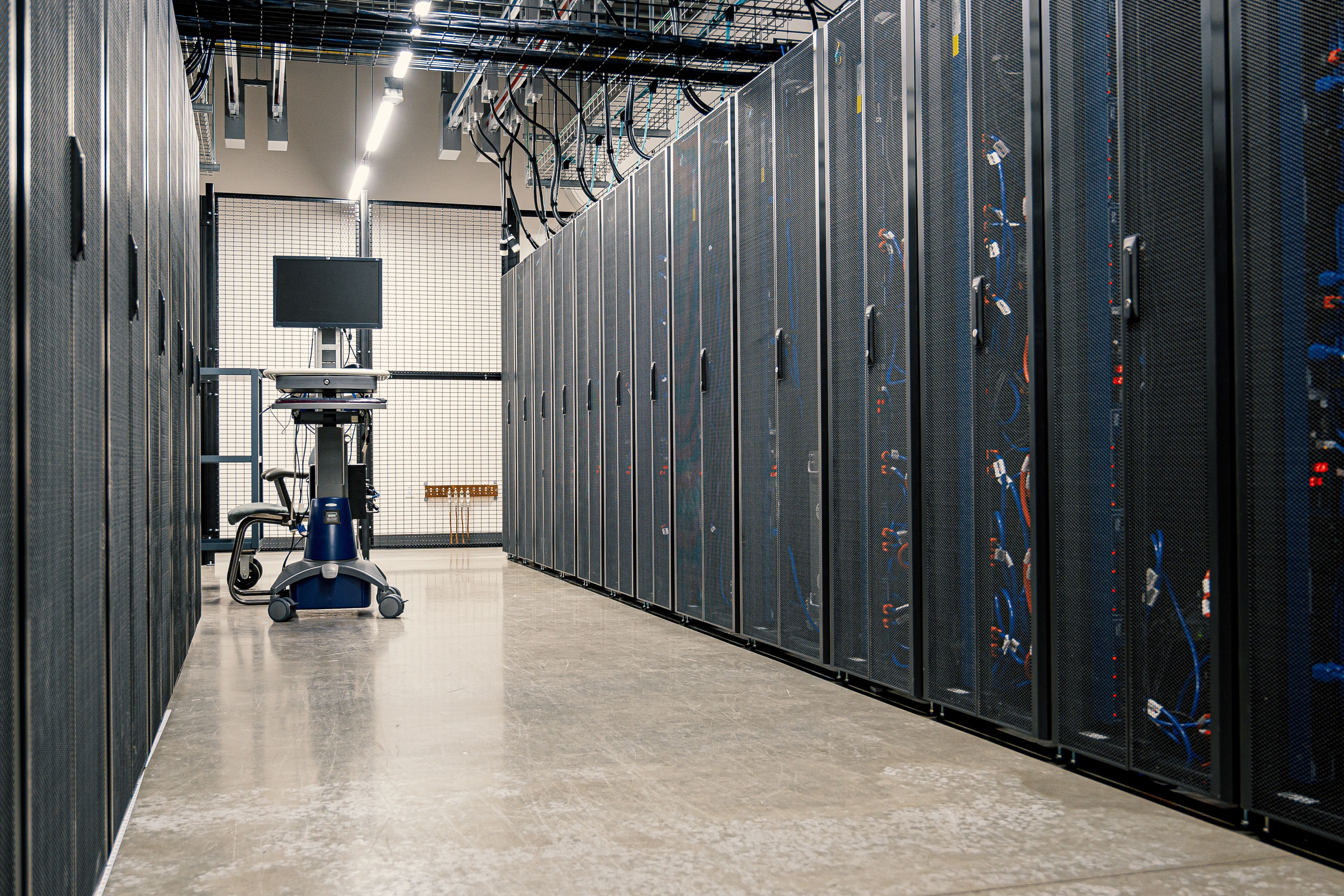
The European Union is introducing a new sustainability rating system for data centres, giving companies and the public a clearer way to compare facilities based on energy efficiency, water use and other environmental factors.
On September 21, 2026, the European Commission adopted a Delegated Regulation establishing the common EU rating scheme. The measure is now subject to a two-month scrutiny period by the European Parliament and the Council before it can enter into force. The new system builds on reporting requirements that the EU already has in place for larger data centres. Rather than creating an entirely new reporting exercise, the EU will use data already submitted to its European database to automatically generate sustainability labels for individual facilities.
What Will Appear on the Label?
At the center of the new system are two familiar data centre efficiency metrics. Power Usage Effectiveness (PUE) measures how much of a facility's total energy consumption is used by its information technology equipment rather than cooling and other supporting infrastructure.
Water Usage Effectiveness (WUE) measures freshwater consumption relative to the energy used by IT equipment. Each facility will receive separate A-to-G classifications for energy and water efficiency. For example, an A rating for energy efficiency corresponds to a PUE of 1.15 or below, while an A water-efficiency rating corresponds to a WUE of 0.1 or below.
The label goes beyond those two scores. It will also show information including the data centre's energy sourcing, whether it provides flexibility services to the electricity grid, whether it is ready to reuse waste heat, and certain information about contributions to new energy generation capacity. That gives users a much broader picture than a single efficiency score.
Who Falls Within the Framework?
The underlying EU reporting regime applies to data centres with installed IT power demand of at least 500 kilowatts. These facilities already report information and key performance indicators to the European database established under the EU's Energy Efficiency Directive framework.
The new regulation also allows operators of smaller data centres, those below the 500 kW threshold, to participate voluntarily. Data centres that have not yet begun operating will also be able to participate based on the performance they are designed to achieve.
For companies that operate their own large data centres in the EU, the development is therefore directly relevant. It may also matter to companies purchasing cloud or colocation services, since the labels will make it easier to compare the sustainability characteristics of individual facilities.
Why the EU Is Doing This Now
Europe's demand for data centre capacity is rising quickly, particularly as artificial intelligence and cloud computing expand. The Commission says EU data centres consumed about 68 terawatt-hours of electricity in 2024, with consumption expected to reach roughly 114 terawatt-hours by 2030, or more than 3% of overall EU electricity demand. The EU is also aiming to triple its data centre capacity over the next five to seven years.
That growth creates an obvious tension. Europe wants more computing infrastructure, but it also has to manage the resulting demand for electricity, grid capacity and water. The rating system is meant to make those impacts easier to see and compare. The Commission also sees opportunities for data centres to contribute to the energy system, including by adjusting electricity demand when grid conditions change and making waste heat available for reuse.
The First Labels Are Expected in 2027
Under the Delegated Regulation, the European database is expected to automatically generate the first electronic labels by August 15, 2027, with new labels generated annually thereafter. The labels will also be publicly available through the European database.
This is an important distinction from a conventional corporate disclosure requirement. Rather than asking operators to design their own sustainability disclosure, the EU is creating a common format and applying the same methodology across reporting facilities. That should make differences between facilities considerably easier to identify.
Minimum Performance Standards Could Be the Next Step
The label is not the end of the EU's work on data centre sustainability. Alongside the rating scheme, the Commission has opened a consultation on potential minimum performance standards for data centres. The consultation runs through December 14, 2026, with a legislative proposal currently planned for the second quarter of 2027.
Those standards would represent a different type of regulation. The rating system focuses on transparency and comparability. Minimum performance standards could eventually establish requirements that data centres must actually meet. For operators, that makes the current labeling initiative worth watching closely. The same performance information being made more visible today could help shape tomorrow's operating requirements.
What Companies Should Do Now
Companies operating data centres in the EU should first confirm which facilities meet the 500 kW reporting threshold and review the quality of the data already being submitted to the European database. It is also worth looking at how individual facilities perform on PUE, WUE, energy sourcing, grid flexibility and waste heat readiness. These are no longer simply internal efficiency metrics. They are becoming part of a standardized public-facing EU framework.
Companies that rely on third-party data centres or colocation providers may also want to consider how the new labels can be incorporated into future procurement and supplier reviews. The direction is fairly clear: as Europe builds more digital infrastructure, regulators want sustainability performance to become easier to see, compare and eventually regulate.

IFRS S1: What you need to know
As sustainability considerations reshape business risks, investment flows, and regulatory expectations, organizations are under increasing pressure to disclose how environmental, social, and governance (ESG) factors affect their long-term financial health.
10 Mar, 2025

IFRS S2: What you need to know
As the climate crisis reshapes the global business landscape, investors, regulators, and stakeholders are demanding more rigorous, transparent, and forward-looking climate disclosures.
17 Mar, 2025

ISSB: What you need to know
The International Sustainability Standards Board (ISSB) is shaping the future of sustainability-related financial disclosures by establishing a consistent global framework for ESG reporting.
24 March, 2025