January 6, 2026
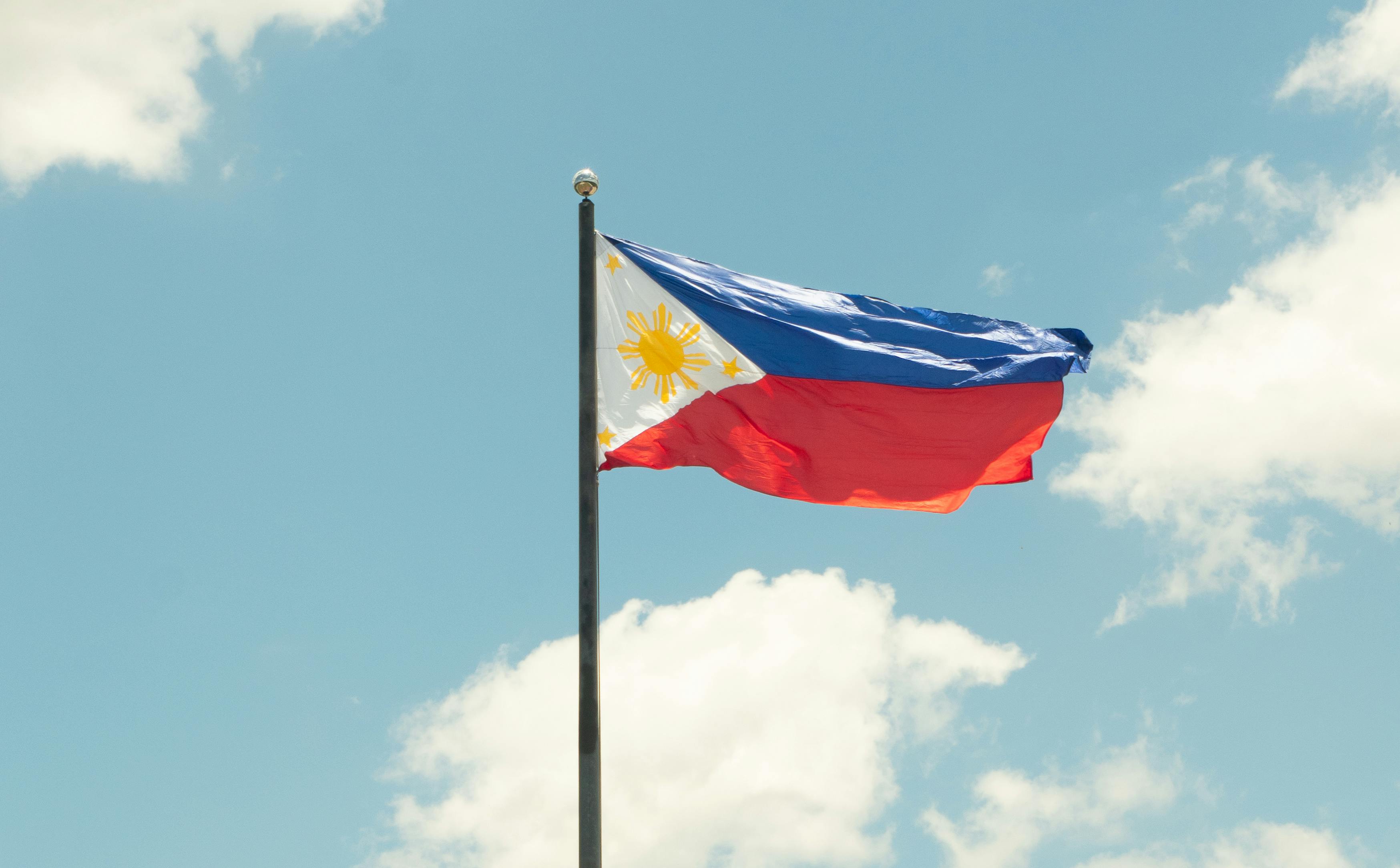
The Philippine Securities and Exchange Commission has formally adopted the Philippine Financial Reporting Standards (PFRS) on Sustainability Disclosures, marking a major step toward globally aligned sustainability and climate reporting in the Philippines. These new standards are closely based on frameworks developed by the International Sustainability Standards Board (ISSB), which operates under the IFRS Foundation.
For executives, the key takeaway is straightforward: sustainability and climate disclosures in the Philippines are moving from voluntary practice to a structured, mandatory reporting regime that mirrors international expectations.
What the New Standards Cover
The new framework introduces PFRS S1 and PFRS S2, which align directly with the ISSB’s global standards on sustainability-related and climate-related disclosures, respectively. These standards were first released internationally in June 2023 and are now being adopted or implemented by roughly 40 jurisdictions worldwide.
The SEC emphasized that this move positions Philippine companies to report sustainability information in a way that is comparable with peers operating in other major markets, particularly across Southeast Asia, where countries such as Singapore, Thailand, Malaysia, and Indonesia are also adopting IFRS-based sustainability standards.
Who Must Report and When
Mandatory reporting will be phased in through a tiered rollout, giving companies time to prepare systems, governance, and data processes:
2027 reporting (covering FY 2026): Publicly listed companies with market capitalization of ₱50 billion (approximately US$840 million) or more.
2028 reporting: Publicly listed companies with market capitalization above ₱3 billion.
2029 reporting (covering FY 2028): All other listed companies, as well as large non-listed companies with annual revenues exceeding ₱15 billion (about US$250 million).
This staggered approach reflects an effort to balance ambition with practical implementation capacity.
Assurance and Emissions Requirements
Beyond disclosure, the new rules introduce mandatory limited assurance for Scope 1 and Scope 2 greenhouse gas (GHG) emissions, to be conducted by an independent assurance practitioner. This requirement will apply two years after a company begins reporting under the new standards, signaling a clear expectation that emissions data must be decision-grade and credible, not just descriptive.
Transitional Reliefs to Ease the Shift
In response to public consultation feedback, the Commission has included several transitional relief measures. Most notably, companies may defer Scope 3 GHG emissions disclosures for the first two years. In addition, Tier 1 and Tier 2 companies may limit disclosures to climate-related risks and opportunities in their first year, while Tier 3 companies are granted this flexibility for their first two reporting years.
For executives, these reliefs provide breathing room—but they also underline the importance of using the transition period to build robust internal reporting capabilities rather than delaying preparation.
What U.S.-Based Companies Should Know
For U.S.-headquartered companies with operations, listings, or significant revenue in the Philippines, the adoption of PFRS Sustainability Disclosures has direct and near-term implications. While the standards are issued by the Philippine Securities and Exchange Commission, their structure mirrors the ISSB’s global baseline, meaning U.S. companies should expect substantial overlap with IFRS S1 and S2–aligned reporting already underway in other jurisdictions.
First, scope and thresholds matter. U.S. multinationals with Philippine-listed subsidiaries or large in-country operations may fall into the “large non-listed company” category if local revenues exceed ₱15 billion (approximately US$250 million), triggering mandatory reporting starting in 2029 (covering FY 2028). This applies even if the parent company is not listed in the Philippines.
Second, data consistency across jurisdictions will be critical. Many U.S. companies are already preparing climate disclosures aligned with ISSB, TCFD (Task Force on Climate-related Financial Disclosures), or U.S. SEC climate rules. The Philippine requirements reinforce the need for globally consistent emissions inventories, risk assessments, and governance narratives, particularly for Scope 1 and Scope 2 emissions, which will be subject to mandatory limited assurance after the transition period.
Third, transition relief should not delay preparation. Although Scope 3 greenhouse gas emissions and broader sustainability disclosures are temporarily deferred, U.S. companies should use this window to align internal systems, controls, and assurance readiness across regions. Investors and regulators are increasingly focused on comparability, and Philippine disclosures are likely to be reviewed alongside reporting in the EU, U.S., and other ASEAN markets.

IFRS S1: What you need to know
As sustainability considerations reshape business risks, investment flows, and regulatory expectations, organizations are under increasing pressure to disclose how environmental, social, and governance (ESG) factors affect their long-term financial health.
10 Mar, 2025

IFRS S2: What you need to know
As the climate crisis reshapes the global business landscape, investors, regulators, and stakeholders are demanding more rigorous, transparent, and forward-looking climate disclosures.
17 Mar, 2025

ISSB: What you need to know
The International Sustainability Standards Board (ISSB) is shaping the future of sustainability-related financial disclosures by establishing a consistent global framework for ESG reporting.
24 March, 2025