March 13, 2026
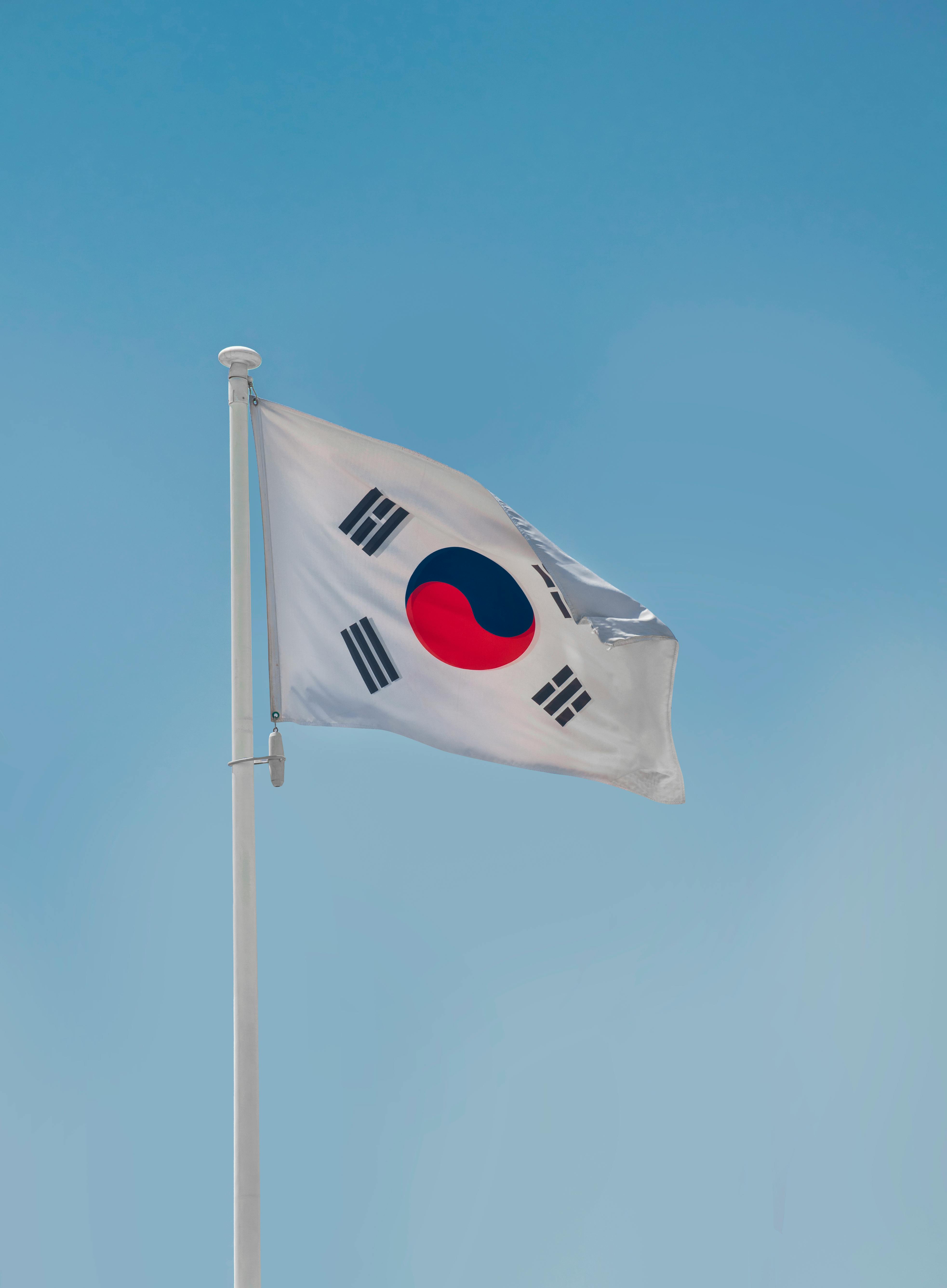
South Korea has taken a significant step toward mandatory corporate sustainability reporting. The country’s Financial Services Commission (FSC) recently released a draft roadmap outlining how climate and sustainability disclosures will be introduced for listed companies over the coming years. At the same time, the Korea Accounting Standards Board (KASB) finalized a new set of Sustainability Reporting Standards designed to align closely with the global framework developed by the International Sustainability Standards Board (ISSB).
For executives tracking global Environmental, Social, and Governance (ESG) regulatory developments, the proposal signals that South Korea is moving decisively toward internationally harmonized climate disclosure rules, while taking a measured, phased implementation approach.
A Gradual Rollout Beginning in 2028
Under the proposed roadmap, South Korea will phase in mandatory sustainability reporting requirements beginning with the country’s largest publicly listed companies. The initial requirement would apply to companies listed on the Korea Composite Stock Price Index (KOSPI) with total assets exceeding KRW 30 trillion (approximately USD $20.4 billion). These companies would begin reporting in 2028 using data from the 2027 fiscal year.
The roadmap then contemplates expanding the requirement one year later to KOSPI-listed companies with more than KRW 10 trillion in assets (approximately USD $6.8 billion). Over time, the FSC may further broaden the scope of the rules to include smaller firms, depending on corporate readiness, the availability of reporting infrastructure, and developments in international sustainability reporting standards.
This phased approach mirrors strategies used in several other jurisdictions, where regulators have prioritized large issuers first before extending requirements to mid-sized and smaller companies.
Alignment with Global ISSB Sustainability Standards
The finalized Korean sustainability standards closely mirror the framework developed by the International Sustainability Standards Board (ISSB), which was created by the IFRS Foundation to establish a global baseline for sustainability reporting. Two standards form the foundation of Korea’s new framework:
Standard No. 1 – General Requirements for Sustainability-related Financial Disclosures, which corresponds to IFRS S1, covering the disclosure of sustainability-related risks and opportunities that could affect a company’s financial performance.
Standard No. 2 – Climate-related Disclosures, aligned with IFRS S2, which focuses specifically on climate-related risks, greenhouse gas (GHG) emissions, and climate governance.
By aligning its domestic standards with the ISSB framework, Korea is positioning its capital markets to remain interoperable with emerging global reporting regimes.
Extended Transition Periods for Key Reporting Elements
Although the standards broadly track the ISSB framework, the Korean roadmap proposes longer transition timelines for several complex disclosure requirements. The most notable example involves Scope 3 greenhouse gas emissions, which represent indirect emissions occurring throughout a company’s value chain. Under the ISSB framework, companies receive a one-year transition period before Scope 3 reporting becomes mandatory.
South Korea’s proposal extends that transition significantly. Mandatory Scope 3 reporting would only be required after three years, giving companies additional time to build internal systems and data infrastructure needed to measure value-chain emissions. This reflects the reality that Scope 3 emissions are often the most challenging category to quantify due to reliance on supplier and partner data.
Climate Reporting First, Broader ESG Later
Another key feature of the Korean framework is its strong initial focus on climate disclosure. While the ISSB allows companies to begin with climate-related reporting for the first year before expanding to broader sustainability disclosures, Korea’s standards are structured primarily around climate reporting from the outset. Disclosure of non-climate sustainability risks and opportunities—such as biodiversity, workforce impacts, or supply chain issues—will remain optional for the time being. Regulators have indicated that broader sustainability disclosures could be introduced in the future as reporting practices mature and international standards evolve.
Flexible Approach to Assurance and Enforcement
The roadmap also proposes a gradual introduction of oversight mechanisms. Third-party assurance of sustainability disclosures would initially remain optional. Mandatory assurance could be introduced later as global practices converge and companies become more comfortable with sustainability reporting processes. Similarly, enforcement in the early years is expected to focus on regulatory guidance and supervisory support rather than penalties. This phased enforcement strategy is intended to encourage adoption and build reporting capacity before stricter compliance measures are introduced.
Consultation Period Underway
The Financial Services Commission has opened a public consultation on the draft roadmap. Feedback from companies, investors, and other stakeholders will be collected before the government finalizes the implementation plan. The FSC has indicated that the final roadmap is expected to be issued in April 2026.
What This Means for Companies
For multinational companies operating in Korea or listed on the KOSPI, the proposal confirms that Korea is aligning its sustainability reporting framework with global ISSB standards while providing a relatively gradual transition timeline. The phased rollout—beginning with the largest companies and initially prioritizing climate disclosures—should provide organizations with additional time to build governance structures, emissions measurement systems, and reporting controls necessary to comply with future disclosure obligations.
At the same time, the direction of travel is clear: climate-related financial disclosure is rapidly becoming a standard expectation across major capital markets, and South Korea is positioning itself firmly within that emerging global framework.

IFRS S1: What you need to know
As sustainability considerations reshape business risks, investment flows, and regulatory expectations, organizations are under increasing pressure to disclose how environmental, social, and governance (ESG) factors affect their long-term financial health.
10 Mar, 2025

IFRS S2: What you need to know
As the climate crisis reshapes the global business landscape, investors, regulators, and stakeholders are demanding more rigorous, transparent, and forward-looking climate disclosures.
17 Mar, 2025

ISSB: What you need to know
The International Sustainability Standards Board (ISSB) is shaping the future of sustainability-related financial disclosures by establishing a consistent global framework for ESG reporting.
24 March, 2025